


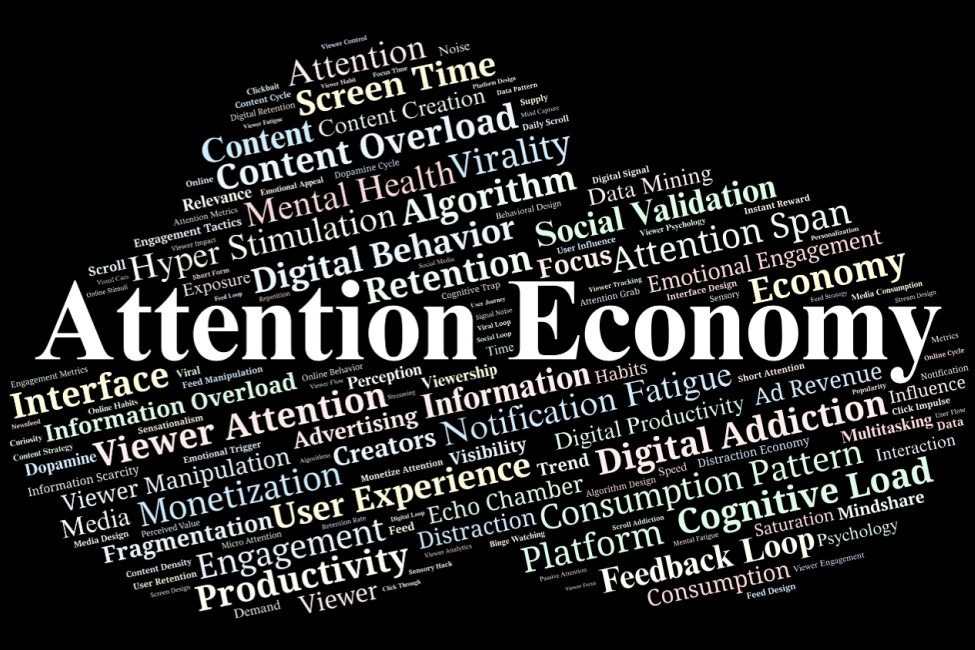
In 2026, the biggest marketing challenge is not AI, not platforms, and not the next algorithm update. It’s attention.
Consumers are exposed to thousands of brand messages daily. Feeds are infinite. Content is automated. Creativity is duplicated at scale. The brands that thrive in this environment understand a hard truth: attention is scarce, and sameness is expensive.
Welcome to the new era of attention economy marketing, where creative bravery and strategic clarity are the difference between engagement and invisibility.
What the Attention Economy Really Means
The attention economy is not just about shorter attention spans. It’s about choice.
Audiences now control what they see, skip, scroll, mute, and block. They reward content that earns their interest and punish anything that feels generic. To achieve real audience engagement in 2026, attention needs to be voluntary and value-driven.
This means:
- Visibility doesn’t equal impact
- Impressions don’t equal influence
- Reach doesn’t equal relevance
AI tools can generate endless content. But audiences can instantly recognize templated messaging. In a world flooded with content, differentiation is the only sustainable advantage.
Our philosophy is simple: Interact, Don’t Interrupt. When brands create meaningful interactions instead of intrusive noise, attention becomes a result of value, not volume.
Why Generic Marketing Fails in 2026
In 2026, generic marketing doesn’t just underperform. It actively damages brand perception.
Here’s why:
- Algorithms amplify engagement signals. If creative fails to spark interaction, platforms deprioritize it.
- Audiences crave originality. Recycled headlines and predictable visuals trigger instant scroll behavior.
- Trust is fragile. Brands that blend in appear replaceable.
The biggest shift in attention economy marketing is this: creativity is now a performance driver.
Creative strategy wins when it sparks emotion, conversation, and memorability. Campaigns that look and sound like everyone else disappear into the feed. Campaigns that stand for something distinct generate measurable lift.
We’ve seen brands double engagement rates simply by moving away from safe, template-driven messaging and leaning into differentiated storytelling. Bold positioning, distinctive visuals, and strong brand voice outperform incremental tweaks every time.
How to Create Campaigns That Capture and Hold Attention
Capturing attention is not about shouting louder. It is about creating resonance and reinforcing it consistently.
Here’s what’s working for audience engagement in 2026:
1. Lead With Distinctive Creative
Strong visual identity and clear positioning stop the scroll. Bold creative with strategic intent drives recall and response.
2. Ground Creativity in Audience Insight
Data should inform the idea, not replace it. Understanding motivations, pain points, and behaviors ensures relevance.
3. Integrate Across Channels
Your story should unfold consistently across paid, owned, and earned media. Integrated campaigns outperform siloed efforts because repetition builds recognition.
4. Connect Emotion to Action
Emotion drives memory. Memory drives action. Campaigns that spark feeling outperform rational-only messaging.
5. Measure What Matters
Performance metrics should connect to brand outcomes, not just vanity numbers. Track engagement depth, conversion quality, and lifetime value.
Creative excellence and measurable performance are not opposites. They are partners. When strategy aligns with storytelling, creative strategy wins.
5 Ways to Win Attention in 2026
- Bold creative with relevance
- Data-informed audience understanding
- Integrated cross-channel storytelling
- Emotion-driven messaging
- Measurable performance goals
These five pillars define successful attention economy marketing in 2026. Brands that combine creative courage with strategic discipline earn attention instead of chasing it.
How Does the Attention Economy Impact Marketing Strategy?
What is attention economy marketing?
Attention economy marketing is the strategic approach of earning and sustaining audience focus through relevance, creativity, and value-driven content rather than interruptive tactics.
Why is audience engagement more difficult in 2026?
Content saturation, AI-generated duplication, and platform fragmentation have increased competition for limited attention. Audiences now actively filter out anything that feels repetitive or inauthentic.
How can brands improve audience engagement in 2026?
Brands must prioritize differentiated creative, integrated storytelling, and measurable outcomes. Engagement grows when audiences feel understood and emotionally connected.
Does creativity still matter in performance marketing?
More than ever. Data optimizes delivery, but creativity drives response. The strongest results happen when bold ideas are supported by rigorous measurement.
The Strategic Imperative for 2026
Attention is the currency of modern marketing. Brands that treat creativity as decoration will struggle. Brands that treat it as strategy will lead.
The companies that win in 2026 will not be those with the most content. They will be those with the most compelling, differentiated, and integrated narratives.
We believe brands grow when they choose to interact rather than interrupt. In the attention economy, that philosophy is not just creative guidance. It’s a competitive advantage.